 SWL Consulting
Legacy automakers face a tougher 2027 as costs rise
BMW says accelerated restructuring will cut its automotive pretax margin by 2.5 points this year. Hyundai trimmed its 2026 wholesales target to 4 million vehicles, and GlobalData sees global light-vehicle output at 90.96 million in 2026, down 2.1%. Costs are rising just as pricing power gets harder to push. What changed, and what it means for margins, sourcing and cash.
Legacy automakers 2027 outlook: costs rise and pricing power fades
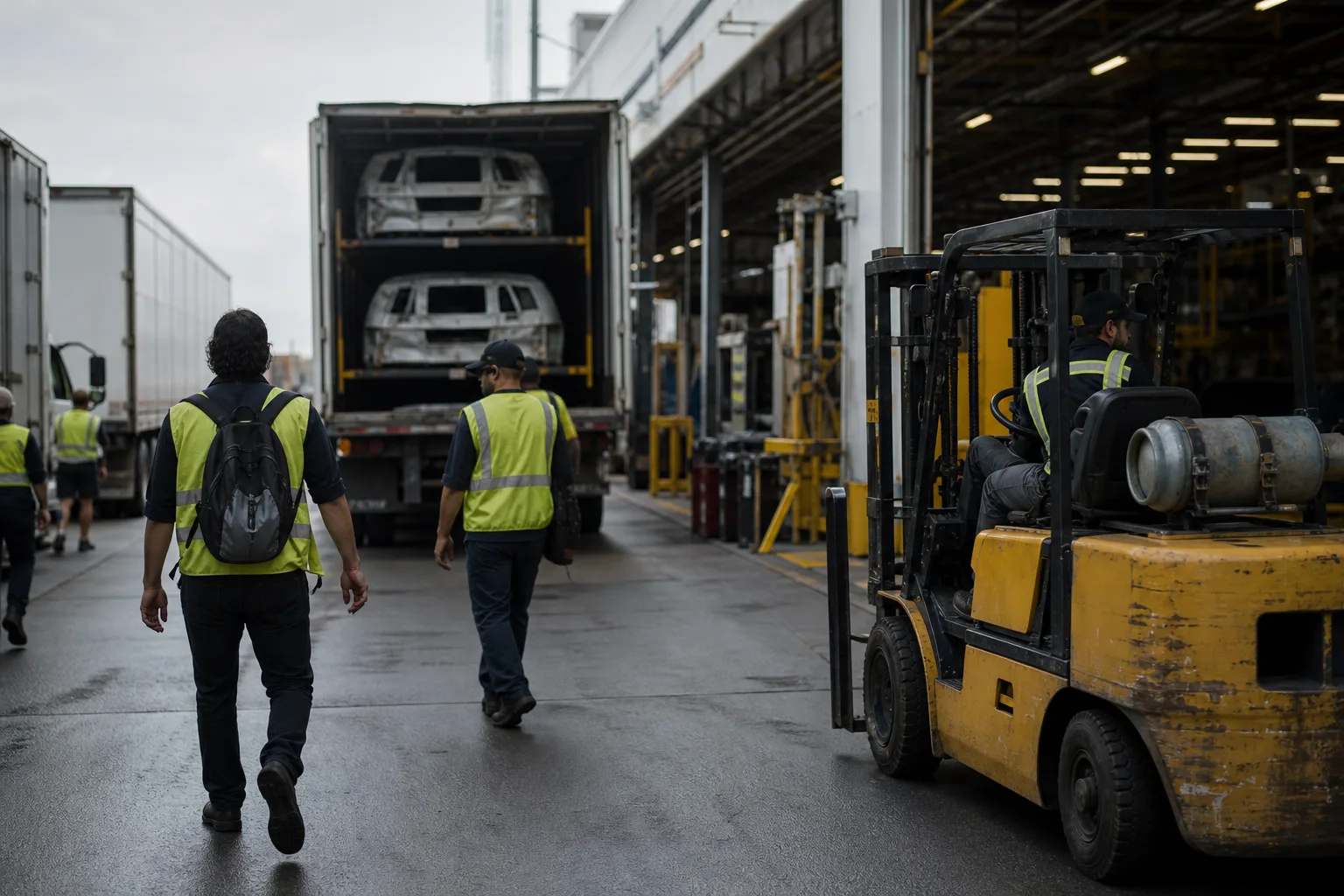
The legacy automakers 2027 outlook is getting weaker, according to CNBC. Rising commodity, logistics and memory costs are colliding with softer pricing power, slower production growth and more pressure from Chinese rivals. For CFOs and operations leaders, that means margin protection will matter more than volume growth in 2027.
Key takeaways
- Barclays analyst Dan Levy said investor focus is shifting to 2027 and the setup looks challenging, with rising inflation, China pressure, U.S. affordability concerns and a flat global production outlook, according to CNBC.
- GM CFO Paul Jacobson said the company could face another $2 billion headwind in 2027 from commodity inflation, logistics and DRAM costs, according to CNBC.
- GlobalData expects global light-vehicle production to fall to about 90.96 million units in 2026, down 2.1% from 2025, and to grow by less than 1% in 2027, according to CNBC.
- Cox Automotive said the average new U.S. vehicle price in September was above $50,500 and the typical monthly payment was $776, both near or at records, according to CNBC.
Why is the legacy automakers 2027 outlook worsening?
The short answer is that costs are rising faster than automakers can pass them through, according to CNBC. Wall Street analysts say companies will need stronger pricing and more cost cuts just to keep earnings steady as inflation, higher investment spending and a potentially weaker economy weigh on results. The problem is broader than the U.S. and cuts across Europe and Asia.
Barclays analyst Dan Levy said investor attention is moving toward 2027 while the industry faces rising inflation, continued China pressure, affordability concerns in the U.S. and a flat global production outlook. RBC Capital Markets analyst Tom Narayan said the regional picture is uneven, with more optimism in the U.S. and more pessimism in Europe. That split matters because global carmakers need volume, pricing and mix to work together.
Source: CNBC
Which automakers are already lowering expectations?
Several companies have already moved their numbers, according to CNBC. Ford Motor expects next year's results to be in line with 2026, while General Motors has grown more cautious about how much earnings can keep rising. In Europe, Volkswagen, Mercedes-Benz and BMW have cut 2026 earnings forecasts in recent weeks.
BMW said accelerated restructuring measures will reduce its automotive pretax earnings margin this year by 2.5 percentage points, with positive effects expected into 2027 and a 3% to 5% pretax profit margin for 2028. Stellantis, which has large operations in Europe and the U.S., is in restructuring and is targeting a low-single-digit adjusted operating margin this year. Hyundai also lowered its 2026 wholesales target to 4 million vehicles from 4.16 million and cut its operating-margin target to 5.5% to 6.5% from 6.3% to 7.3%.
Toyota was the outlier in the note. The company raised its full-year operating income forecast by 500 billion Japanese yen, about $3.2 billion, helped by a weaker yen and strong hybrid demand in the U.S., according to CNBC.
Source: CNBC
Why can’t automakers keep raising prices?
Because buyers are nearing their limit, according to CNBC. Cox Automotive said the average transaction price of a new U.S. vehicle was more than $50,500 in September, just below the record set in December 2025, and the typical monthly payment hit $776, the highest since December 2023.
That is why pricing power is getting harder to extend. Higher vehicle prices have already pushed financing terms longer and raised concerns that consumers are being priced out of the new-vehicle market. Cox Automotive chief economist Jeremy Robb described the economy, buyer ability and borrowing costs as cautionary yellow lights, even though credit availability and employment are still helping demand hold up.
For automakers, the business issue is simple: if price increases stall, margin protection has to come from supply chain discipline, plant efficiency and a better mix of vehicles.
Source: CNBC
What to do now
For manufacturers and suppliers, 2027 planning should start with downside cases, not base cases. The point is to protect margin before the next round of cost pressure shows up in earnings.
- Map commodity, logistics and memory exposure across the supplier base, then model a 2027 downside scenario for each major program.
- Revisit pricing corridors by region and trim discounting where demand can still absorb higher prices.
- Pressure-test the product mix and push more capacity toward higher-margin vehicles, trims and options.
- Extend cost reduction into sourcing, plant utilization and inventory days, not just headcount.
- Review financing assumptions against payment levels and affordability, especially in markets where buyers are already stretched.
Frequently asked questions
What makes 2027 different for automakers?
According to CNBC, analysts are looking at 2027 as a year when inflation, China competition, U.S. affordability pressure and flat global production all hit at once. That combination makes it harder for legacy automakers to grow earnings through volume or pricing alone. The issue is not one shock. It is several headwinds lining up together.
Which cost buckets matter most?
GM CFO Paul Jacobson cited commodity inflation, logistics and DRAM as the main pressure points, according to CNBC. DRAM chips, or dynamic random-access memory chips, are used for temporary data storage and real-time processing in infotainment and safety-critical systems. Those costs can hit both vehicle content and supply reliability.
Can automakers still raise prices enough to offset inflation?
Not easily, according to CNBC. Cox Automotive said the average new U.S. vehicle price was more than $50,500 in September and the typical payment was $776 a month. With buyers already under pressure, most automakers will need a tighter mix, better costs and more disciplined discounts rather than another broad price increase.