 SWL Consulting
Barclays cuts 5,000 jobs as AI scales up
Barclays is cutting around 5,000 jobs, or about 5% of its global workforce, after 1,000 posts were already closed. Most of the reductions sit inside its UK retail bank, and 60% will fall in support functions, including developers. The bank says AI is the icing on the cake of a wider modernisation plan. It expects £1.1bn more savings in 2027.
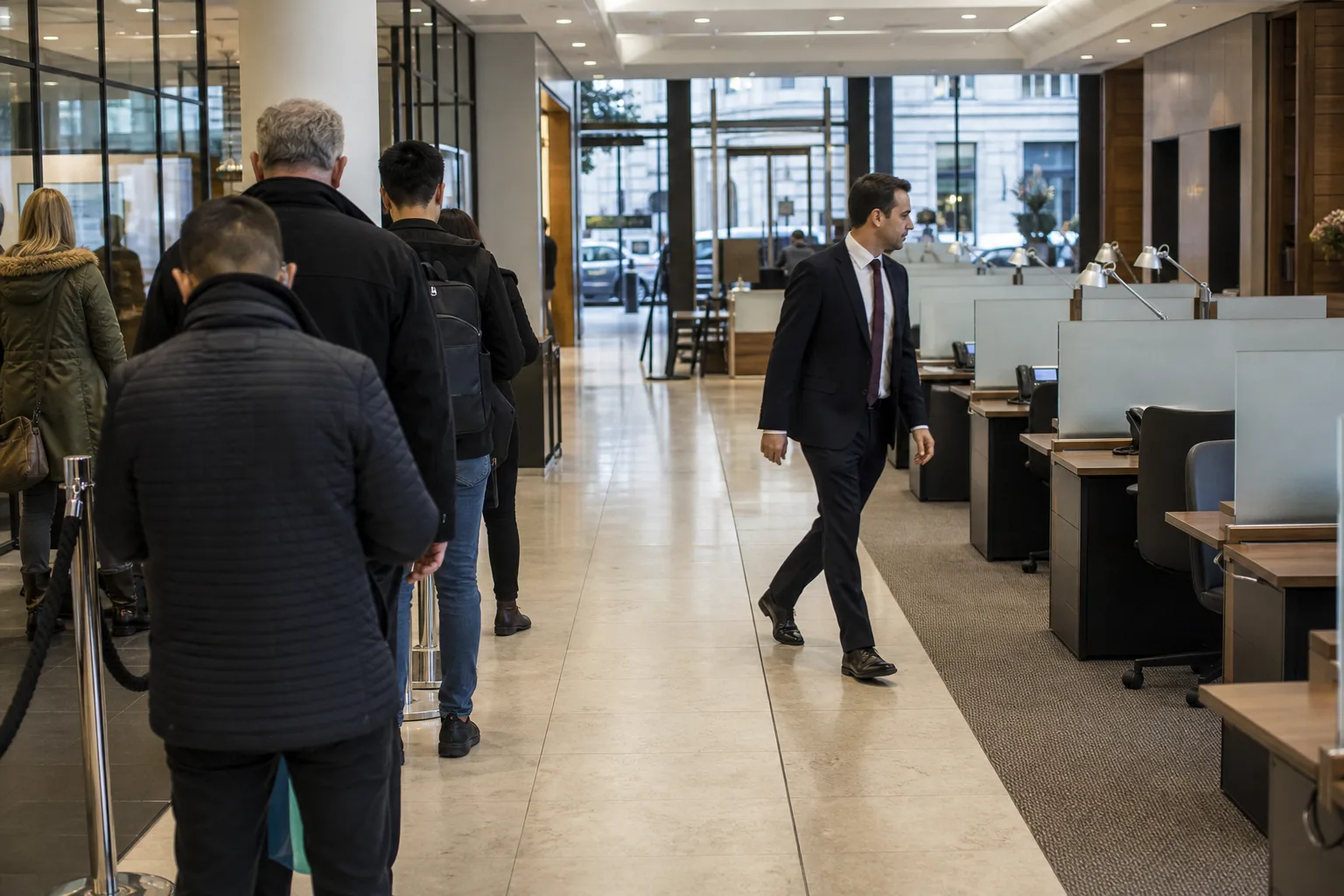
Barclays cuts 5,000 jobs as AI moves from promise to savings
Barclays is cutting around 5,000 jobs as it puts more artificial intelligence into its work processes. According to BBC News, 1,000 posts have already been closed and another 4,000 are expected to go by the end of this year. That is roughly 5% of its global workforce. For executives, the signal is clear: AI is no longer a side project. It is now part of a cost programme with real headcount impact.
This is a restructuring, not just a tech update
Barclays said the changes are part of an ongoing modernisation plan. That matters because it frames AI as one part of a broader reset, not the only driver. The bank has been running a three-year cost-cutting programme focused mainly on its UK retail bank, although the investment banking arm is also affected. In other words, the technology is amplifying a programme already under way.
That distinction should matter to any board looking at AI savings. If the operating model stays complex, AI will not deliver much on its own. Barclays is effectively saying that infrastructure, process design and workforce changes have to move together. That is a harder task than buying tools and hoping the savings appear.
Source: BBC News
The work AI is most likely to touch
The bank said spending on AI is increasing and that new tools can replace some basic tasks now done by staff, including administrative and programming work. Barclays also said around 60% of the job cuts will fall within support functions, including among developers. That is a clear sign that the first wave of automation is moving behind the scenes, where work is repetitive, rules-based and easier to standardise.
For leaders in finance, operations and technology, that is the part of the story to watch. Customer-facing AI may get the headlines, but back-office work is where savings usually show up first. If you run shared services, finance operations or internal tech teams, this is a reminder that the next productivity gain may come from redesigning tasks rather than pushing people to do them faster.
Source: BBC News
The banking sector is testing the same playbook
Barclays is not alone. BBC News reported that HSBC, Standard Chartered and Danske Bank have also flagged AI-related job cuts this year. Russ Mould of AJ Bell called AI a hot button topic and said banks would still weigh security and customer service before rolling it out more widely. That is the practical constraint every large regulated company faces. The use case may be obvious. The implementation risk is not.
This is why the story matters beyond banking. It shows how executives are trying to balance cost reduction, operational risk and customer expectations at the same time. AI can support the case for leaner teams, but the pace of change will still depend on controls, data quality and the ability to keep service levels stable. The board conversation is shifting from whether AI works to where it can be deployed without creating a new risk.
Source: BBC News
Profit did not stop the cuts
Barclays also reported £2.3bn profit in the three months to September. That was above the same period last year, but slightly below forecast. The message for management teams is important: even decent earnings do not automatically protect headcount when leadership sees a bigger efficiency opportunity. Cuts can continue while the business is still profitable.
The bank expects its efficiency measures to deliver another £1.1bn of savings in 2027. That gives this move a longer time horizon than a one-off layoff announcement. It also tells other companies what happens when AI is tied to a savings target: the technology becomes part of a multi-year cost agenda, not a one-quarter experiment.
Source: BBC News
What to do now
If your company is still treating AI as a productivity pilot, this is the moment to move it into operating planning. The board does not need a headline project. It needs a clear view of where work can be simplified, which functions are exposed, and what controls must change before savings show up.
- Map tasks, not job titles, across support, finance and developer teams.
- Identify where AI can remove manual steps without weakening security or service.
- Build a savings case that includes process change, not just software spend.
- Set a review cadence for workforce impact, controls and customer experience.