

ES

Enterprise CX AI and security trends: 2026 outlook
Enterprise CX AI and security trends: 2026 outlook
A practical look at Enterprise CX AI and security trends—breaches, agentic commerce, ERP-driven CX, support automation, and leadership moves.
A practical look at Enterprise CX AI and security trends—breaches, agentic commerce, ERP-driven CX, support automation, and leadership moves.
25 dic 2025

ES
Enterprise systems in motion: a 2026 playbook
The business world is moving fast. Enterprise CX AI and security trends are reshaping how companies sell, serve, and secure customer relationships. This post pulls together five recent developments—from a customer data breach to new ecommerce forces, integration wins, ERP roles, and a major CTO hire—to show what leaders should watch and do in 2026. Therefore, you will get clear context, practical impact, and short projections that help guide decisions next year.
## Why Enterprise CX AI and security trends matter now
A reminder landed late in 2025: a third-party breach at a vendor can ripple into an automaker’s customer trust. Red Hat detected unauthorized access on Sept. 26, 2025, to systems used for Nissan dealerships. As a result, the data of about 21,000 Nissan customers in Japan was exposed. Red Hat cut access and worked to stop further intrusions. However, the story is not just about one incident. It is about how vendors, integrators, and buyers share responsibility for customer data.
For enterprise leaders, the takeaway is simple. First, tighten vendor governance. Require clear breach notification timelines and access controls. Second, map which customer journeys rely on third-party platforms. That mapping shows where risk and exposure live. Third, prepare communications and support flows so customer service teams can respond quickly and consistently. Additionally, expect regulators and customers to demand faster, clearer responses.
Impact and outlook: companies that treat vendor security as part of CX will be more resilient. Therefore, investing in vendor controls and cross-team playbooks now reduces damage and rebuilds trust faster in 2026.
Source: cxtoday.com
Agentic commerce and the 2026 ecommerce shifts
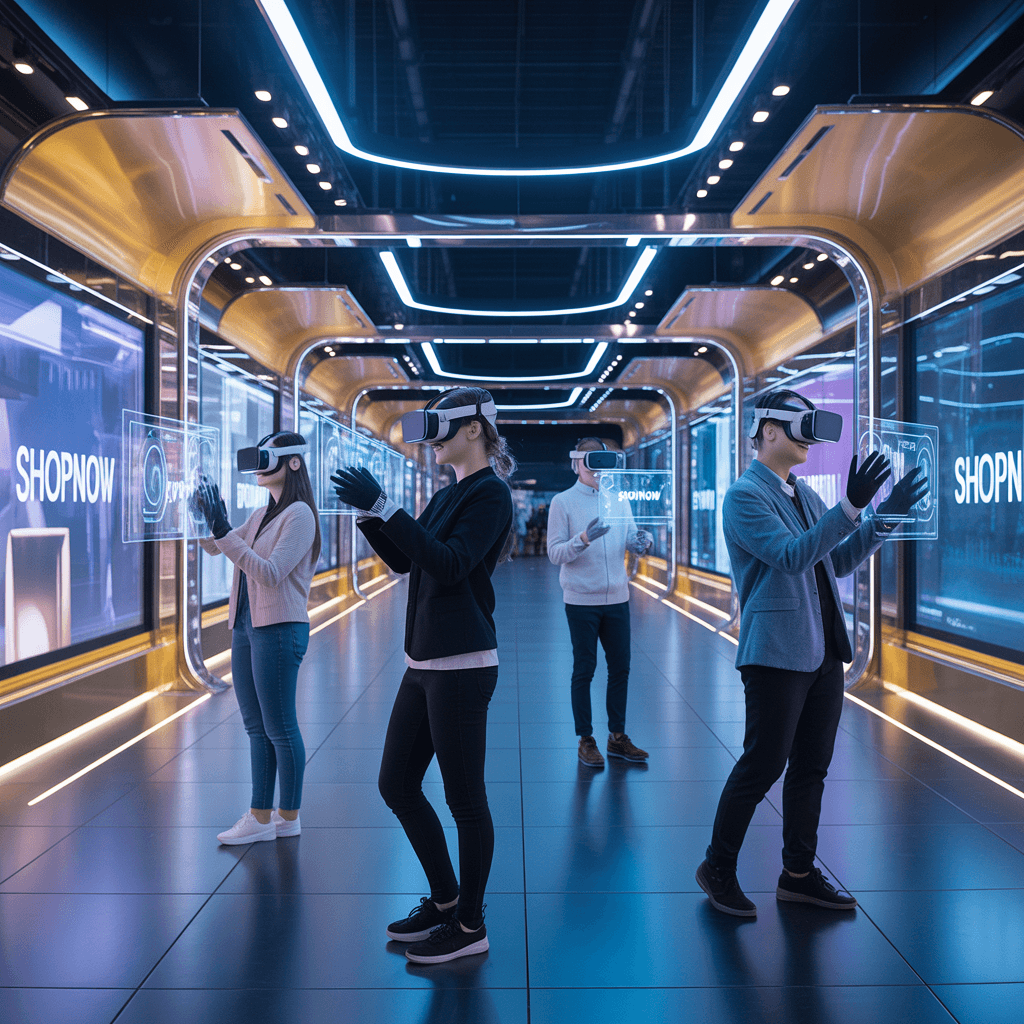
Ecommerce is changing rapidly. DigitalCommerce360 highlights 10 trends shaping online retail in 2026, and one stands out: agentic commerce. In short, shoppers increasingly use intelligent agents and AI to research, compare, and even buy on their behalf. Therefore, search and discovery are becoming less about keywords and more about context and intent.
Retailers must adapt in three ways. First, optimize product and catalog data so AI agents can find and evaluate items accurately. Second, rethink conversion funnels. For example, social channels and new discovery paths are reducing the role of traditional on-site search. Third, measure outcomes differently. Traditional conversion rates matter, but so do engagements driven by AI agents and long-term value from repeat interactions.
Impact on CX: agentic commerce raises customer expectations for seamless, contextual experiences. Therefore, brands need richer signals—ratings, returns history, and personalized guarantees—to win agent recommendations. Additionally, customer service must handle purchases initiated by agents, which can be opaque to humans unless systems are integrated.
Outlook: expect more investment in data infrastructure, automated product tagging, and API-first commerce platforms. Companies that make it easy for AI agents to act will capture incremental sales in 2026.
Source: digitalcommerce360.com
How ERP connects operations to Enterprise CX AI and security trends
ERP systems are no longer just back-office ledgers. According to CX Today, modern ERP platforms act as the operational backbone that keeps finance, supply chain, and contact centers in sync. Therefore, ERP plays a central role in delivering consistent CX at scale.
Why that matters now: when the front line (sales and support) lacks inventory, billing, or return visibility, customer interactions get slow and fragmented. However, a connected ERP ensures teams share the same facts. For example, a contact center agent can see fulfillment status and proactively message a customer about delays. Additionally, ERP data powers service-level automation, such as routing high-value accounts to priority queues.
For security and AI use, ERP systems are a double-edged sword. On one hand, they centralize sensitive data that supports richer, AI-driven experiences. On the other hand, they become higher-value targets for attackers. Therefore, integrating ERP into CX requires careful access control, encryption, and audit trails.
Impact and outlook: enterprises that treat ERP as a shared platform—rather than a silo—will unlock better service, smoother operations, and safer automation. In 2026, expect more ERP investments focused on real-time APIs, supplier visibility, and integration with customer-facing systems.
Source: cxtoday.com
Boosting support: Zoho integration in the Enterprise CX AI and security trends era
Planned Growth outlines a practical example: integrating Zoho Desk with Zoho CRM to give agents a single view of the customer. This integration removes friction. For instance, agents see contact history, purchases, and past tickets without toggling apps. Therefore, response times fall and conversations feel more personal.
The integration also enables automation. Tickets can be created from CRM events—like contract renewals or order issues—and routed by SLA or customer value. Additionally, workflows can flag high-risk or high-value customers for priority handling. This reduces manual overhead and prevents tickets from slipping through the cracks.
From an AI and security standpoint, unified data streams feed better training signals for conversational agents and analytics. However, consolidated views mean you must secure access tightly. Role-based access and contextual controls prevent overexposure of sensitive fields. Furthermore, integrated reporting links support metrics to business outcomes—retention, lifetime value, and revenue—so leaders can justify automation investments.
Impact and outlook: companies that stitch CRM and support together will see faster resolutions and higher customer satisfaction. Moreover, as agentic commerce grows, this integration ensures support teams understand purchases initiated by AI agents. Therefore, integrated CX stacks become a competitive advantage in 2026.
Source: plannedgrowth.com
Leadership and talent moves that follow these trends
Talent signals matter. DigitalCommerce360 reports that Starbucks named Anand Varadarajan, formerly of Amazon, as EVP and CTO to lead global technology, digital engagement, and supply chain efforts. Hiring a leader with deep ecommerce and grocery technology experience shows where priorities lie: better store execution, stronger digital channels, and tighter supply chain integrations.
Why it matters for CX and security: experienced leaders move fast on integration, data strategy, and resilience. Therefore, expect similar hires at large retailers and enterprises that want to bridge store operations with digital experiences. Additionally, leadership with cloud and marketplace backgrounds often pushes toward modular, API-driven platforms that support agentic commerce and ERP connectivity.
Impact and outlook: teams should prepare for more cross-functional roles—tech leaders working closely with CX, security, and operations. Hiring will focus on people who can balance rapid innovation with governance. Consequently, organizations that invest in the right leaders will accelerate transformation while containing risk in 2026.
Source: digitalcommerce360.com
Final Reflection: Building trust while you innovate
Taken together, these stories show a clear arc. Innovation—AI, agentic commerce, and integrated CX stacks—promises richer experiences and new revenue. However, innovation without governance invites risk, as the Red Hat–Nissan incident shows. Therefore, the most pragmatic path forward is balanced: invest in data and AI to meet customer expectations, while strengthening vendor controls, ERP security, and role-based access. Additionally, stitch support and CRM to keep customer conversations meaningful when purchases are made by intelligent agents. Finally, hire leaders who understand both speed and control.
The coming year will reward teams that plan for both growth and resilience. Start with vendor playbooks, map your customer data flows, and prioritize API-first ERP and CRM integrations. In short, make trust a feature of your CX strategy and you will both protect customers and unlock the value of emerging enterprise tech in 2026.
Enterprise systems in motion: a 2026 playbook
The business world is moving fast. Enterprise CX AI and security trends are reshaping how companies sell, serve, and secure customer relationships. This post pulls together five recent developments—from a customer data breach to new ecommerce forces, integration wins, ERP roles, and a major CTO hire—to show what leaders should watch and do in 2026. Therefore, you will get clear context, practical impact, and short projections that help guide decisions next year.
## Why Enterprise CX AI and security trends matter now
A reminder landed late in 2025: a third-party breach at a vendor can ripple into an automaker’s customer trust. Red Hat detected unauthorized access on Sept. 26, 2025, to systems used for Nissan dealerships. As a result, the data of about 21,000 Nissan customers in Japan was exposed. Red Hat cut access and worked to stop further intrusions. However, the story is not just about one incident. It is about how vendors, integrators, and buyers share responsibility for customer data.
For enterprise leaders, the takeaway is simple. First, tighten vendor governance. Require clear breach notification timelines and access controls. Second, map which customer journeys rely on third-party platforms. That mapping shows where risk and exposure live. Third, prepare communications and support flows so customer service teams can respond quickly and consistently. Additionally, expect regulators and customers to demand faster, clearer responses.
Impact and outlook: companies that treat vendor security as part of CX will be more resilient. Therefore, investing in vendor controls and cross-team playbooks now reduces damage and rebuilds trust faster in 2026.
Source: cxtoday.com
Agentic commerce and the 2026 ecommerce shifts
Ecommerce is changing rapidly. DigitalCommerce360 highlights 10 trends shaping online retail in 2026, and one stands out: agentic commerce. In short, shoppers increasingly use intelligent agents and AI to research, compare, and even buy on their behalf. Therefore, search and discovery are becoming less about keywords and more about context and intent.
Retailers must adapt in three ways. First, optimize product and catalog data so AI agents can find and evaluate items accurately. Second, rethink conversion funnels. For example, social channels and new discovery paths are reducing the role of traditional on-site search. Third, measure outcomes differently. Traditional conversion rates matter, but so do engagements driven by AI agents and long-term value from repeat interactions.
Impact on CX: agentic commerce raises customer expectations for seamless, contextual experiences. Therefore, brands need richer signals—ratings, returns history, and personalized guarantees—to win agent recommendations. Additionally, customer service must handle purchases initiated by agents, which can be opaque to humans unless systems are integrated.
Outlook: expect more investment in data infrastructure, automated product tagging, and API-first commerce platforms. Companies that make it easy for AI agents to act will capture incremental sales in 2026.
Source: digitalcommerce360.com
How ERP connects operations to Enterprise CX AI and security trends
ERP systems are no longer just back-office ledgers. According to CX Today, modern ERP platforms act as the operational backbone that keeps finance, supply chain, and contact centers in sync. Therefore, ERP plays a central role in delivering consistent CX at scale.
Why that matters now: when the front line (sales and support) lacks inventory, billing, or return visibility, customer interactions get slow and fragmented. However, a connected ERP ensures teams share the same facts. For example, a contact center agent can see fulfillment status and proactively message a customer about delays. Additionally, ERP data powers service-level automation, such as routing high-value accounts to priority queues.
For security and AI use, ERP systems are a double-edged sword. On one hand, they centralize sensitive data that supports richer, AI-driven experiences. On the other hand, they become higher-value targets for attackers. Therefore, integrating ERP into CX requires careful access control, encryption, and audit trails.
Impact and outlook: enterprises that treat ERP as a shared platform—rather than a silo—will unlock better service, smoother operations, and safer automation. In 2026, expect more ERP investments focused on real-time APIs, supplier visibility, and integration with customer-facing systems.
Source: cxtoday.com
Boosting support: Zoho integration in the Enterprise CX AI and security trends era
Planned Growth outlines a practical example: integrating Zoho Desk with Zoho CRM to give agents a single view of the customer. This integration removes friction. For instance, agents see contact history, purchases, and past tickets without toggling apps. Therefore, response times fall and conversations feel more personal.
The integration also enables automation. Tickets can be created from CRM events—like contract renewals or order issues—and routed by SLA or customer value. Additionally, workflows can flag high-risk or high-value customers for priority handling. This reduces manual overhead and prevents tickets from slipping through the cracks.
From an AI and security standpoint, unified data streams feed better training signals for conversational agents and analytics. However, consolidated views mean you must secure access tightly. Role-based access and contextual controls prevent overexposure of sensitive fields. Furthermore, integrated reporting links support metrics to business outcomes—retention, lifetime value, and revenue—so leaders can justify automation investments.
Impact and outlook: companies that stitch CRM and support together will see faster resolutions and higher customer satisfaction. Moreover, as agentic commerce grows, this integration ensures support teams understand purchases initiated by AI agents. Therefore, integrated CX stacks become a competitive advantage in 2026.
Source: plannedgrowth.com
Leadership and talent moves that follow these trends
Talent signals matter. DigitalCommerce360 reports that Starbucks named Anand Varadarajan, formerly of Amazon, as EVP and CTO to lead global technology, digital engagement, and supply chain efforts. Hiring a leader with deep ecommerce and grocery technology experience shows where priorities lie: better store execution, stronger digital channels, and tighter supply chain integrations.
Why it matters for CX and security: experienced leaders move fast on integration, data strategy, and resilience. Therefore, expect similar hires at large retailers and enterprises that want to bridge store operations with digital experiences. Additionally, leadership with cloud and marketplace backgrounds often pushes toward modular, API-driven platforms that support agentic commerce and ERP connectivity.
Impact and outlook: teams should prepare for more cross-functional roles—tech leaders working closely with CX, security, and operations. Hiring will focus on people who can balance rapid innovation with governance. Consequently, organizations that invest in the right leaders will accelerate transformation while containing risk in 2026.
Source: digitalcommerce360.com
Final Reflection: Building trust while you innovate
Taken together, these stories show a clear arc. Innovation—AI, agentic commerce, and integrated CX stacks—promises richer experiences and new revenue. However, innovation without governance invites risk, as the Red Hat–Nissan incident shows. Therefore, the most pragmatic path forward is balanced: invest in data and AI to meet customer expectations, while strengthening vendor controls, ERP security, and role-based access. Additionally, stitch support and CRM to keep customer conversations meaningful when purchases are made by intelligent agents. Finally, hire leaders who understand both speed and control.
The coming year will reward teams that plan for both growth and resilience. Start with vendor playbooks, map your customer data flows, and prioritize API-first ERP and CRM integrations. In short, make trust a feature of your CX strategy and you will both protect customers and unlock the value of emerging enterprise tech in 2026.





CONTÁCTANOS
¡Seamos aliados estratégicos en tu crecimiento!
Dirección de correo electrónico:
+5491173681459
Dirección de correo electrónico:
sales@swlconsulting.com
Dirección:
Av. del Libertador, 1000
Síguenos:





CONTÁCTANOS
¡Seamos aliados estratégicos en tu crecimiento!
Dirección de correo electrónico:
+5491173681459
Dirección de correo electrónico:
sales@swlconsulting.com
Dirección:
Av. del Libertador, 1000
Síguenos:
CONTÁCTANOS
¡Seamos aliados estratégicos en tu crecimiento!
Dirección de correo electrónico:
+5491173681459
Dirección de correo electrónico:
sales@swlconsulting.com
Dirección:
Av. del Libertador, 1000
Síguenos:
Suscríbete a nuestro boletín
© 2025 SWL Consulting. Todos los derechos reservados


Suscríbete a nuestro boletín
© 2025 SWL Consulting. Todos los derechos reservados