
AI-driven enterprise automation strategies for 2026
AI-driven enterprise automation strategies for 2026
How AI-driven enterprise automation strategies are reshaping fulfillment, CX, payments, and energy use — practical impacts and short-term outlook.
How AI-driven enterprise automation strategies are reshaping fulfillment, CX, payments, and energy use — practical impacts and short-term outlook.
Dec 13, 2025


AI and the enterprise: practical automation strategies that matter
Introduction paragraph with focus keyphrase in first 100 words, written in simple, engaging language.
AI-driven enterprise automation strategies are no longer abstract experiments. Today, companies from payments platforms to retailers are deploying AI to cut complaints, reduce energy use, automate buying, and test humanoid robots in warehouses. Therefore, leaders must understand how these steps connect. However, the goal is not just novelty. Instead, it is practical value: lower costs, better customer experiences, and smoother operations.
## Linking procurement and agentic channels: AI-driven enterprise automation strategies in B2B purchasing
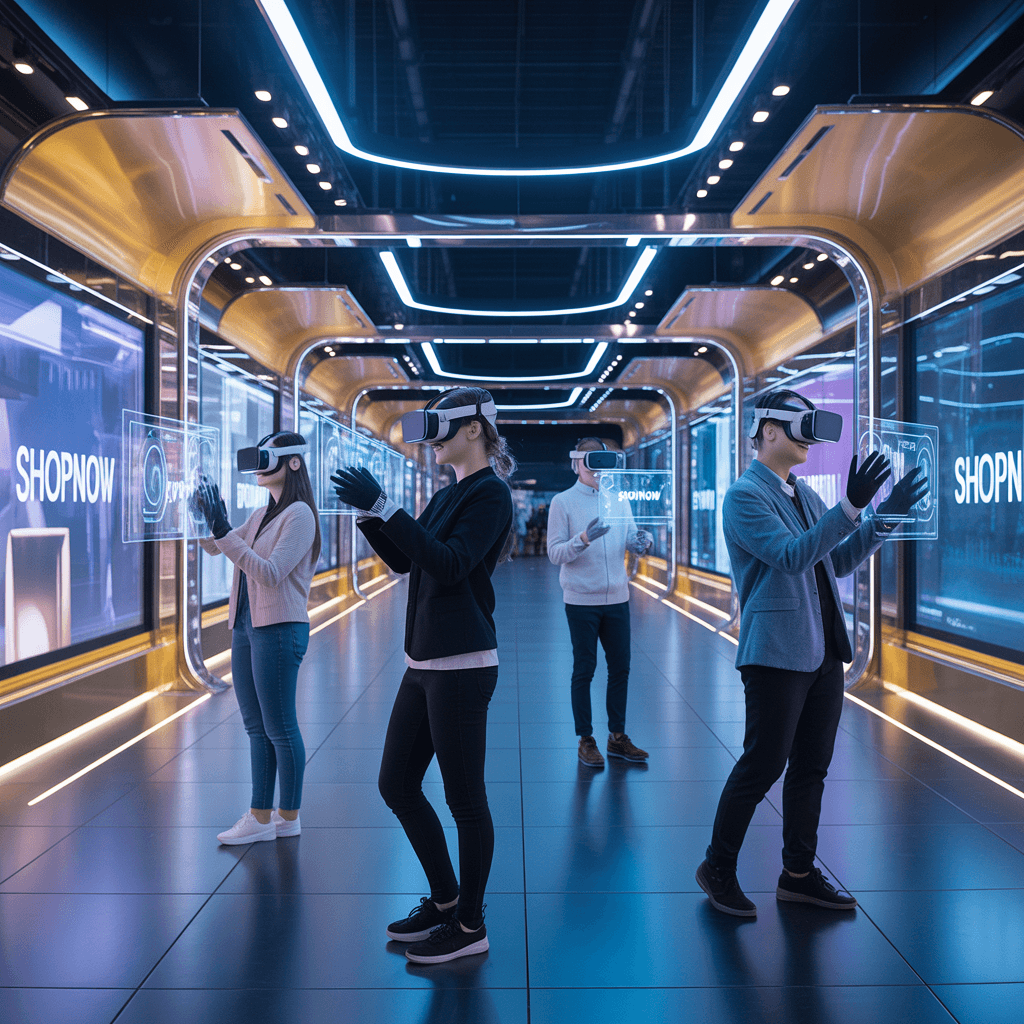
Logicbroker has linked its commerce network with PayPal to support AI-driven purchasing channels. Therefore, merchants on Logicbroker’s platform can now connect product catalogs, inventory, and order data to PayPal’s agentic commerce services through a single integration. This matters because B2B procurement is often slow and fragmented. However, connecting these systems reduces manual work and speeds purchasing cycles. Additionally, the single integration lowers technical friction for merchants who want to sell through emerging AI buyers.
For enterprises, the practical takeaway is clear. First, integrating core commerce data with AI buyer platforms can open new revenue channels. Second, central connections make it easier to maintain accurate inventory and orders across more buying points. As a result, procurement teams can focus on exceptions and strategic sourcing rather than repetitive tasks. Finally, this partnership is a signal: agentic commerce — where AI can act on behalf of buyers — is moving from pilot phase to production use in B2B.
Impact and outlook: Expect more commerce platforms and payment providers to build similar integrations. Therefore, companies should inventory their catalogs and APIs now. Otherwise, they risk losing access to fast-moving AI purchasing channels.
Source: Digital Commerce 360
From complaints to calm: how AI transformed customer experience
Simplyhealth’s story is a striking example of measurable customer experience change. They reduced complaints from 600 to 40 while serving 2.5 million customers. Therefore, this isn’t a tiny pilot. Instead, it shows that targeted AI automation can fix broken workflows and scale service quality. The company used Agentforce to reshape how it handles customer issues. However, the real lesson is not to automate everything blindly. Rather, Simplyhealth focused on the painful parts of the process and applied AI where it removed friction.
For business leaders, the narrative offers three practical steps. First, identify the repeatable, high-volume complaint types. Second, apply AI to triage and resolve common issues fast. Third, keep humans in the loop for edge cases. Additionally, the reduction in complaints suggests lowered operational costs and improved brand trust. As a result, companies will likely invest more in systems that blend AI automation with clear escalation paths.
Impact and outlook: Expect more contact centers to adopt specialized agent tools rather than general-purpose chatbots. Consequently, firms that can combine process cleanup with AI automation will capture outsized improvements in customer satisfaction.
Source: CX Today
Cutting costs and carbon: AI-driven enterprise automation strategies for energy in fulfillment
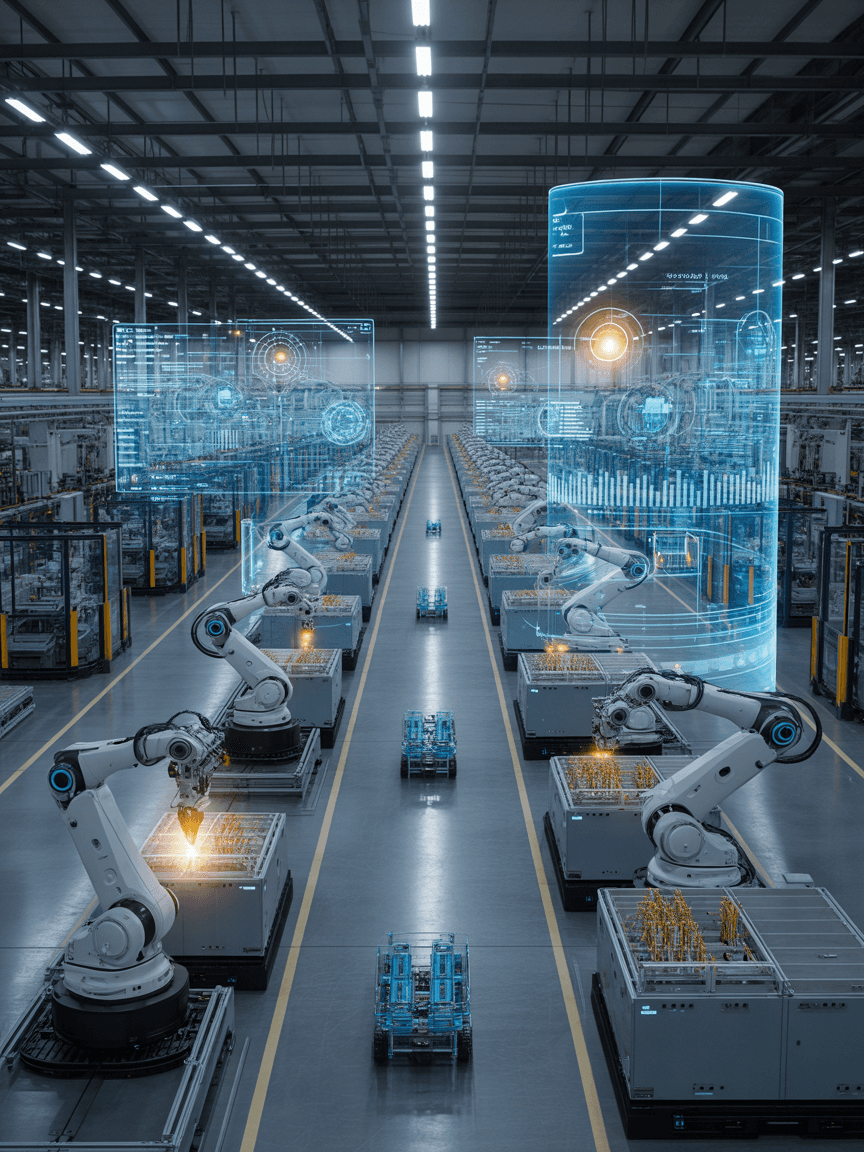
Amazon expanded use of autonomous building controls to reduce energy use in grocery fulfillment centers. Therefore, the company deployed BrainBox AI in partnership with Trane Technologies and AWS at three Amazon Grocery sites in North America. However, this isn’t just about turning off lights. Instead, BrainBox AI analyzes building systems to adjust heating, cooling, and ventilation in real time. As a result, facilities can save energy while maintaining regulations and product safety.
For operations leaders, the lesson is practical. First, energy is a major and recurring cost in fulfillment networks. Second, AI that manages building systems can deliver steady, measurable savings. Third, partnerships matter: combining cloud platforms and specialized controls speeds deployment. Additionally, these systems often integrate with existing facility management tools. Therefore, organizations can pilot in a few centers and scale when ROI is proven.
Impact and outlook: Expect more retailers and fulfillment operators to trial autonomous building controls. Consequently, energy-aware automation will become another measurable line item in logistics planning. Businesses that act early can lower operating expenses while hitting sustainability targets.
Source: Digital Commerce 360
Robots on the floor: humanoid robotics and practical automation in warehouses
Mercado Libre will test humanoid robots from Agility Robotics in a San Antonio fulfillment center. Therefore, these robots — designed to handle repetitive and physical tasks — will move totes and transport materials inside the site. However, this is not a wholesale replacement of human workers. Instead, it is an experiment in where humanoid robots can add value by doing physically strenuous or repetitive tasks.
For warehouse managers, the deployment offers clear signals. First, humanoid robots aim to fit into human-centric environments, not only automated aisles. Second, they may relieve labor shortages and reduce injuries from heavy lifting. Third, early trials will reveal the most practical jobs for these machines and where processes must change. Additionally, robotics trials often expose secondary needs, such as changed safety protocols and new maintenance routines. Therefore, firms must plan for training, integration, and realistic pilot metrics.
Impact and outlook: Expect robotics vendors and large retailers to run targeted tests across fulfillment networks. Consequently, automation strategies should balance robotics investments with human workflow redesign. Businesses that pilot carefully can learn which roles to automate and which to keep human-led.
Source: Digital Commerce 360
Safer support with hybrid models: AI-driven enterprise automation strategies for customer support
Hybrid AI models are emerging as a safer path to automation in customer support. Therefore, the approach mixes AI speed with human oversight to reduce errors and risky responses. However, not all hybrid approaches are equal. The best ones give AI the power to handle routine responses and workflows while enabling quick human intervention for complex or sensitive issues.
For customer support leaders, hybrid AI brings tangible benefits. First, it increases response speed. Second, it improves reliability compared with fully autonomous systems. Third, it helps manage risk by routing tricky cases to humans. Additionally, hybrid models can be tuned to match compliance needs and brand voice, which is vital in regulated industries. Therefore, businesses should evaluate hybrid platforms that offer clear escalation rules and performance metrics.
Impact and outlook: Expect hybrid AI to become the default for enterprise-grade customer support. Consequently, companies that adopt hybrid systems will likely see better safety, faster resolution, and higher reliability than those chasing full automation too quickly.
Source: CX Today
Final Reflection: Building practical AI automation that pays off
Across payments, customer experience, energy, robotics, and support, a clear pattern emerges. Companies are moving from pilots to practical deployments. Therefore, the emphasis is on solving real business pain points rather than showcasing technology. However, success depends on careful integration, process redesign, and sensible escalation to humans. Additionally, partnerships — with payment providers, cloud platforms, building controls, and robotics firms — speed deployment and reduce risk.
Short-term, leaders should prioritize low-friction wins: connect commerce and payment systems for new buying channels; fix high-volume support failures with targeted AI; and test energy management controls where savings are measurable. As a result, organizations can capture cost, customer, and sustainability benefits quickly. Longer term, hybrid models and robotics will reshape work, but the gains will come from combining tools with redesigned processes. Therefore, practical planning and staged pilots will remain the best path to durable value.
AI and the enterprise: practical automation strategies that matter
Introduction paragraph with focus keyphrase in first 100 words, written in simple, engaging language.
AI-driven enterprise automation strategies are no longer abstract experiments. Today, companies from payments platforms to retailers are deploying AI to cut complaints, reduce energy use, automate buying, and test humanoid robots in warehouses. Therefore, leaders must understand how these steps connect. However, the goal is not just novelty. Instead, it is practical value: lower costs, better customer experiences, and smoother operations.
## Linking procurement and agentic channels: AI-driven enterprise automation strategies in B2B purchasing
Logicbroker has linked its commerce network with PayPal to support AI-driven purchasing channels. Therefore, merchants on Logicbroker’s platform can now connect product catalogs, inventory, and order data to PayPal’s agentic commerce services through a single integration. This matters because B2B procurement is often slow and fragmented. However, connecting these systems reduces manual work and speeds purchasing cycles. Additionally, the single integration lowers technical friction for merchants who want to sell through emerging AI buyers.
For enterprises, the practical takeaway is clear. First, integrating core commerce data with AI buyer platforms can open new revenue channels. Second, central connections make it easier to maintain accurate inventory and orders across more buying points. As a result, procurement teams can focus on exceptions and strategic sourcing rather than repetitive tasks. Finally, this partnership is a signal: agentic commerce — where AI can act on behalf of buyers — is moving from pilot phase to production use in B2B.
Impact and outlook: Expect more commerce platforms and payment providers to build similar integrations. Therefore, companies should inventory their catalogs and APIs now. Otherwise, they risk losing access to fast-moving AI purchasing channels.
Source: Digital Commerce 360
From complaints to calm: how AI transformed customer experience
Simplyhealth’s story is a striking example of measurable customer experience change. They reduced complaints from 600 to 40 while serving 2.5 million customers. Therefore, this isn’t a tiny pilot. Instead, it shows that targeted AI automation can fix broken workflows and scale service quality. The company used Agentforce to reshape how it handles customer issues. However, the real lesson is not to automate everything blindly. Rather, Simplyhealth focused on the painful parts of the process and applied AI where it removed friction.
For business leaders, the narrative offers three practical steps. First, identify the repeatable, high-volume complaint types. Second, apply AI to triage and resolve common issues fast. Third, keep humans in the loop for edge cases. Additionally, the reduction in complaints suggests lowered operational costs and improved brand trust. As a result, companies will likely invest more in systems that blend AI automation with clear escalation paths.
Impact and outlook: Expect more contact centers to adopt specialized agent tools rather than general-purpose chatbots. Consequently, firms that can combine process cleanup with AI automation will capture outsized improvements in customer satisfaction.
Source: CX Today
Cutting costs and carbon: AI-driven enterprise automation strategies for energy in fulfillment
Amazon expanded use of autonomous building controls to reduce energy use in grocery fulfillment centers. Therefore, the company deployed BrainBox AI in partnership with Trane Technologies and AWS at three Amazon Grocery sites in North America. However, this isn’t just about turning off lights. Instead, BrainBox AI analyzes building systems to adjust heating, cooling, and ventilation in real time. As a result, facilities can save energy while maintaining regulations and product safety.
For operations leaders, the lesson is practical. First, energy is a major and recurring cost in fulfillment networks. Second, AI that manages building systems can deliver steady, measurable savings. Third, partnerships matter: combining cloud platforms and specialized controls speeds deployment. Additionally, these systems often integrate with existing facility management tools. Therefore, organizations can pilot in a few centers and scale when ROI is proven.
Impact and outlook: Expect more retailers and fulfillment operators to trial autonomous building controls. Consequently, energy-aware automation will become another measurable line item in logistics planning. Businesses that act early can lower operating expenses while hitting sustainability targets.
Source: Digital Commerce 360
Robots on the floor: humanoid robotics and practical automation in warehouses
Mercado Libre will test humanoid robots from Agility Robotics in a San Antonio fulfillment center. Therefore, these robots — designed to handle repetitive and physical tasks — will move totes and transport materials inside the site. However, this is not a wholesale replacement of human workers. Instead, it is an experiment in where humanoid robots can add value by doing physically strenuous or repetitive tasks.
For warehouse managers, the deployment offers clear signals. First, humanoid robots aim to fit into human-centric environments, not only automated aisles. Second, they may relieve labor shortages and reduce injuries from heavy lifting. Third, early trials will reveal the most practical jobs for these machines and where processes must change. Additionally, robotics trials often expose secondary needs, such as changed safety protocols and new maintenance routines. Therefore, firms must plan for training, integration, and realistic pilot metrics.
Impact and outlook: Expect robotics vendors and large retailers to run targeted tests across fulfillment networks. Consequently, automation strategies should balance robotics investments with human workflow redesign. Businesses that pilot carefully can learn which roles to automate and which to keep human-led.
Source: Digital Commerce 360
Safer support with hybrid models: AI-driven enterprise automation strategies for customer support
Hybrid AI models are emerging as a safer path to automation in customer support. Therefore, the approach mixes AI speed with human oversight to reduce errors and risky responses. However, not all hybrid approaches are equal. The best ones give AI the power to handle routine responses and workflows while enabling quick human intervention for complex or sensitive issues.
For customer support leaders, hybrid AI brings tangible benefits. First, it increases response speed. Second, it improves reliability compared with fully autonomous systems. Third, it helps manage risk by routing tricky cases to humans. Additionally, hybrid models can be tuned to match compliance needs and brand voice, which is vital in regulated industries. Therefore, businesses should evaluate hybrid platforms that offer clear escalation rules and performance metrics.
Impact and outlook: Expect hybrid AI to become the default for enterprise-grade customer support. Consequently, companies that adopt hybrid systems will likely see better safety, faster resolution, and higher reliability than those chasing full automation too quickly.
Source: CX Today
Final Reflection: Building practical AI automation that pays off
Across payments, customer experience, energy, robotics, and support, a clear pattern emerges. Companies are moving from pilots to practical deployments. Therefore, the emphasis is on solving real business pain points rather than showcasing technology. However, success depends on careful integration, process redesign, and sensible escalation to humans. Additionally, partnerships — with payment providers, cloud platforms, building controls, and robotics firms — speed deployment and reduce risk.
Short-term, leaders should prioritize low-friction wins: connect commerce and payment systems for new buying channels; fix high-volume support failures with targeted AI; and test energy management controls where savings are measurable. As a result, organizations can capture cost, customer, and sustainability benefits quickly. Longer term, hybrid models and robotics will reshape work, but the gains will come from combining tools with redesigned processes. Therefore, practical planning and staged pilots will remain the best path to durable value.




CONTACT US
Let's get your business to the next level
Phone Number:
+5491133038126
Email Address:
sales@swlconsulting.com
Address:
Av. del Libertador, 1000
Follow Us:





CONTACT US
Let's get your business to the next level
Phone Number:
+5491133038126
Email Address:
sales@swlconsulting.com
Address:
Av. del Libertador, 1000
Follow Us:
CONTACT US
Let's get your business to the next level
Phone Number:
+5491133038126
Email Address:
sales@swlconsulting.com
Address:
Av. del Libertador, 1000
Follow Us:

Subscribe to our newsletter
© 2025 SWL Consulting. All rights reserved